VA’s PRC-77 On Overload: When Volume Drowns Out the Signal
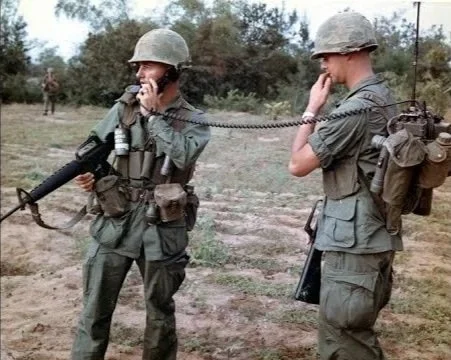
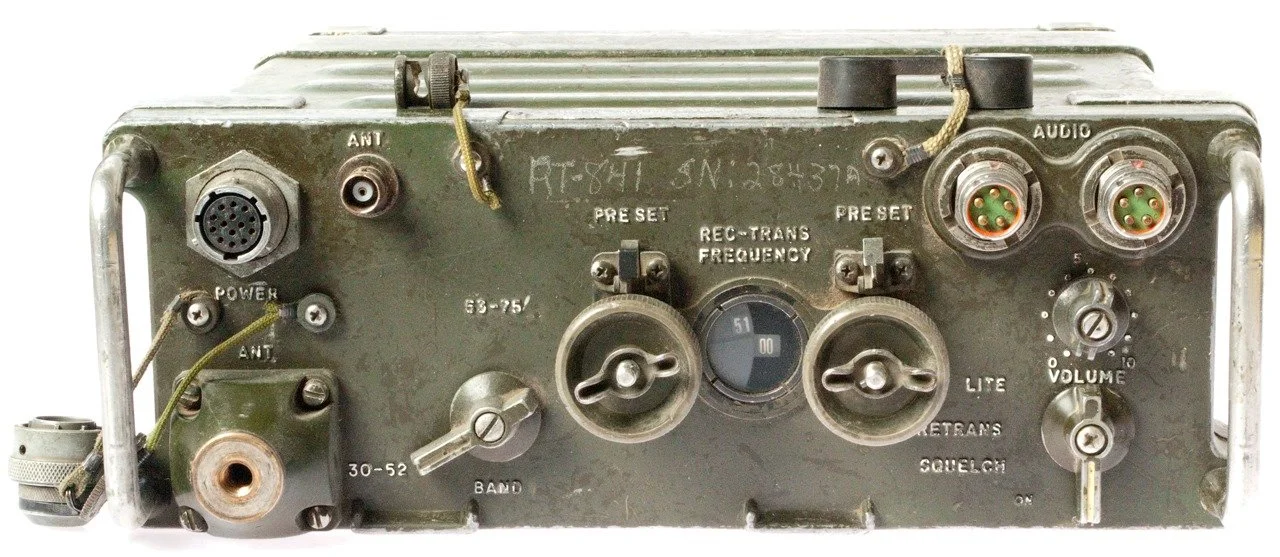
Anyone who has ever humped a PRC-77 through the bush knows the sound of a radio on the fritz. When you’re redlining that dial, trying to push the signal through heavy canopy, the message gets garbled. "Broken and unreadable." You get static. Right now, that is how VA is operating its claims processing, like a radio with the volume cranked to ten and the squelch turned off. They are so focused on "output" and "clearing the net" that the actual quality of the transmission, the decisions affecting Veteran’s lives, is falling into total distortion.
The Signal is Breaking Up
The VA’s latest strategy for handling the massive influx of claims is simple: Automation. In theory, it’s a force multiplier. Submit your claim and drive forward to pick up your rating decision. Second window, please. In practice, it’s a radio on overload. The VA is pushing out decisions at a record pace, but as any RTO will tell you, speed don’t matter a lick if you’re sending the wrong coordinates. Friendly napalm, take cover. When the goal becomes the number of decisions rather than the accuracy of those decisions, the Veteran is the one who ends up hitting the deck when the pilot hits the pickle switch. But don’t believe ‘ole Wes. Check it our for yourself.
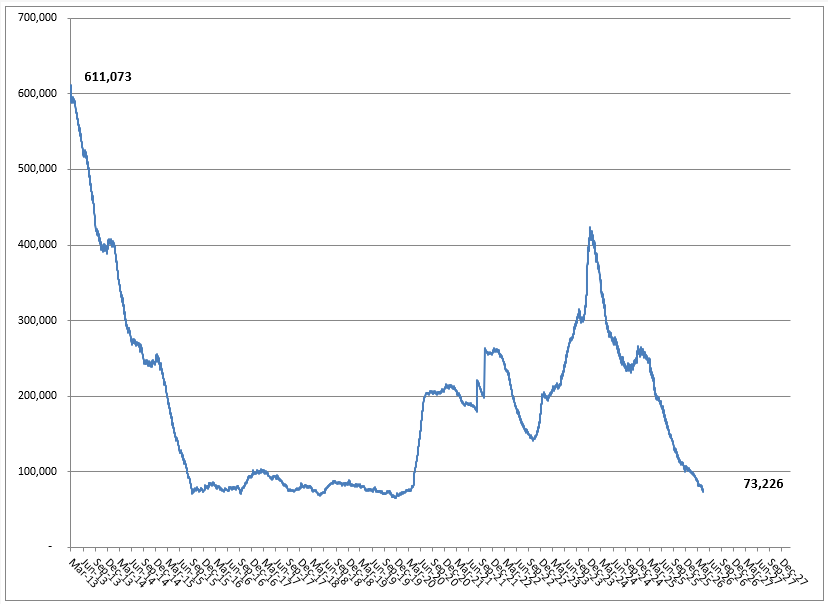
Claims Backlog as of May 15, 2026
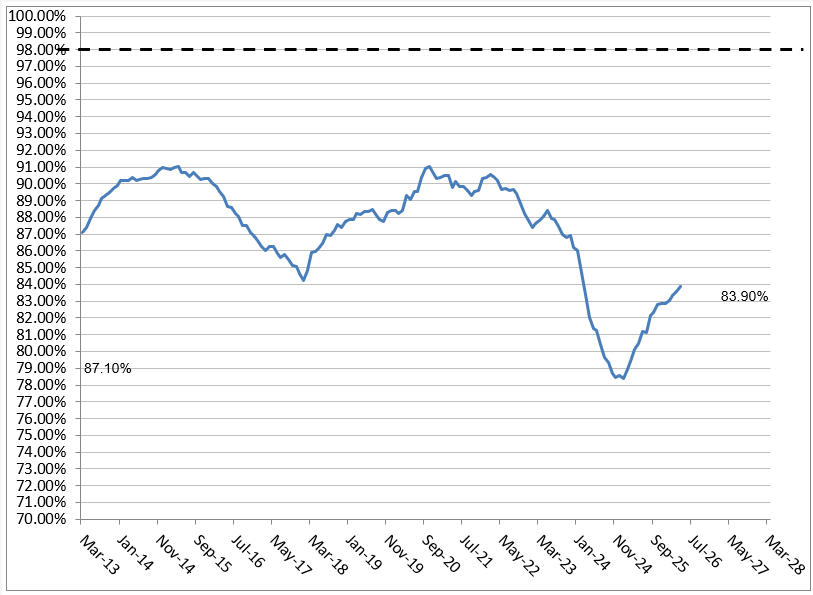
Claims-Based Accuracy 12 Month as of May 15, 2026.
Redlining the System
Now, first off, these are the VA’s own numbers. Sort of like internal affairs (we police ourself. No wrongdoing was found). But even their own numbers don’t lie. Check it out. The backlog takes a dive and so does the quality. Maybe you aren’t convinced. I am just griping like usual. Check out the recent OIG report for yourself.
Review of Automated Decisions for Veterans’ Service-Connected Death Claims
OIG comes in and takes a hard look at how the VA is using AI and automation tools to process claims for survivors, widows whose benefits got cut off because Johnnie finally kicked the bucked from that Parkinson’s Disease. The findings? The radio ain’t just humming, it’s screaming. The high points:
The OIG found that flawed automation led to at least $2.7 million in improper payments between late 2023 and 2024.
Garbled Notifications: At least 8,000 decisions or notification letters were sent out with "legal and procedural deficiencies."
No Intel: These automated systems frequently omitted "favorable findings"—the very evidence that helps a widow understand why they were granted or denied a benefit.
Who is watching: The report noted that quality reviews for these automated "fast-track" claims were far less rigorous than the ones handled by human raters.
Looking for more evidence that the quality isn’t that great? I wrote about how last year the Veteran’s Court received over 10,000 appeals and petitions. Take 10,000 and divide it by 12. That equates to about 833 new cases a month. Since April just ended, that means we should be at just around 3,333 new cases at the Veteran’s Court. The problem? We are already at 3,817, and that isn’t even counting May. If the VA is reducing the backlog and making accurate decisions, why an excess of 500 appeals?
Redlining the System
The problem isn't the technology itself; it's the gain setting. The VA’s modernization plan promised a more efficient system, but the OIG found that the VA didn't even fully explain to Congress how these claims were being processed from start to finish. Automation knob turned to the max! They’ve built a black box, fed it some rules, and are now letting it blast out decisions to meet quotas, no quality or human review included. Not only are your fries missing, the burger is cold and soggy. Gross. For the survivors of Veterans, the widows waiting on these death claims, this isn't just a technical glitch. It’s a loss of trust. The difference in an eviction notice or groceries. When a widow receives a letter that is "incorrectly formatted" or "legally deficient," it’s like receiving a radio transmission that says "wait" when the message was actually "go!" Or, heck, one of my widows recently god a denial in the mail…only it wasn’t even her husband, some other poor soul!

Comms Check, Over, Anyone There?
The VA needs a real comms check. You can’t automate empathy, and you certainly shouldn't automate legal complexity without a human in the loop to verify the signal.
Clearing the backlog is a nice goal, but if the VA continues to push its PRC-77 on overload, the only thing veterans and their families are going to hear is static. It’s time to turn the volume down, adjust the squelch, and make sure the signal is loud and clear. Right now, VA is just closing one claim, only to open an appeal. 6 in one hand, half dozen in the other.
At the end of the day, an RTO’s job isn't just to keep the net busy, it’s to ensure the message is received, understood, and actionable. The VA can brag to Congress about its "one million claims" all it wants, but if those transmissions are riddled with the static of $2.7 million in errors and thousands of legally deficient letters, the mission is a failure. The VA is serious business. "Good enough" gets people hurt, evicted, or even that final push off the ledge, and we shouldn't accept it from the agency built to serve Veterans. It’s time for the VA to stop redlining the PRC-77, dial back the automation, and put a human being back on the handset. Until they prioritize the accuracy of the signal over the volume of the noise, Veterans and their survivors will continue to be left in the dark. ‘Till then, I’m standing by for a real comms check. Out!
Godspeed
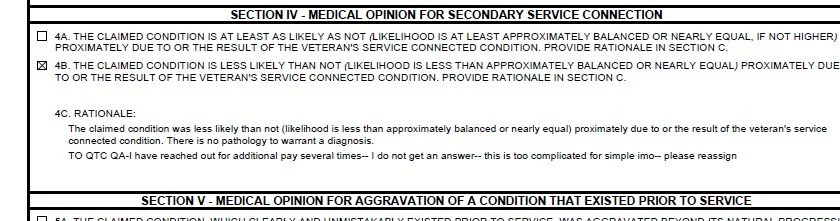
P.S.: Check this out. Guess they aren’t paying these examiners enough dough? Guess that billion dollar contract isn’t enough.